Increasing Fertilizer Efficiency
Feb 16, 2026
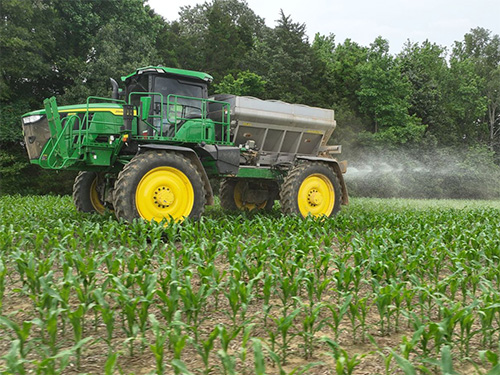
Today’s fertilizer prices have many growers taking a closer look at ways to increase the return on investment (ROI) of their fertilizer dollars by ensuring they achieve the highest possible efficiency from their applied and existing nutrients. The most viable way to do this is to enhance nutrient availability and protect those nutrients from loss.
A Shift in Thinking
With advances in technology comes a magnified awareness of the soil beneath our boots. In particular, the soil microbiome plays an important role in achieving greater nutrient efficiency. As an industry, we are learning more every day about how the soil is a living, dynamic system. Inside every acre are billions of microbes performing critical functions, from breaking down organic nutrients such as nitrogen into plant-available forms (ammonium and nitrate) to producing phytohormones that help alleviate plant stress and increase plant growth. When the soil’s microbial population is thriving, it naturally helps unlock and mineralize nutrients — both applied and those existing in the soil — into forms that plants can use.
As we learn more about soil biology, we’re also discovering new tools that help us support that biology and, in turn, make better use of traditional fertilizer inputs. In short, we’re learning how to help nature, help us, and build a better foundation of soil fertility.
Preventing Phosphorus Fixation and Unlocking Phosphorus in the Soil
Phosphorus efficiency is one of the most difficult challenges we face in nutrient management. Only about 25% of applied phosphorus may actually become available to the plant. The rest can become fixed in the soil — locked up into insoluble compounds by cations like calcium, magnesium, aluminum, and iron — and unavailable to the crop.
Phree-uP®, a Verdesian product, tackles this issue head-on with a dual-mode approach. First, it uses a high-charge exchange resin to bind with those cations and prevent them from fixing phosphorus in the first place. Second, it enhances microbial and enzymatic activity, especially acid phosphatase enzymes, to increase phosphorus mineralization from soil reserves.
The result is improved availability of both applied and existing phosphorus and ultimately more efficient use of the grower’s phosphorus investment.
A Symbiotic Relationship
We have also learned that many types of soil bacteria have a symbiotic relationship with plants. One type of bacteria in particular, plant growth-promoting rhizobacteria (PGPR), colonizes plant roots and has a mutually beneficial relationship with plants where the plants excrete sugars as a food source for the bacteria and, in return, the bacteria enhance plant growth and stress tolerance by producing organic acids and enzymes to better solubilize phosphorus and other nutrients. They also produce phytohormones that stimulate root growth and improve water uptake, among other things.
We can help stimulate our soil’s native population of PGPR, and we can also add the beneficial bacteria straight to our source of nutrients. PowerCoat®, from Mosaic, is a microbial fertilizer coating that can be applied directly to granular fertilizer. It is a very stable product, with a shelf life of 18 months, that contains select strains of Bacillus bacteria (PGPR) that remain dormant in spore form until they are introduced to conditions that are favorable to propagation and will then begin to colonize on the plant’s roots.
Among the many things we can do to help our soil’s microbiological activity is supply a good food source — carbon, which helps to stimulate growth and the metabolic activity of beneficial soil microorganisms. The easiest way to do this is by adding a humate product, such as HumikONE from HGS BioScience, into our granular fertilizer mixes. These are granular products that solubilize in the soil. Along with enhancing the soil’s microbiological activity, adding humic substances to the soil helps to increase the soil’s cation exchange capacity (CEC) — the ability to hold on to nutrients and help to chelate nutrients - protect them from loss or tie-up, and increase their mobility in the soil for better uptake by plants.
Protection From Environmental Loss
Along with proper management practices, making sure as much of our applied fertilizers as possible are available to be utilized by plants can reduce the loss of fertilizer to the environment, such as with phosphorus runoff or the volatilization or “gassing off” of nitrogen into the atmosphere. This is detrimental to the environment and very costly.
We have talked about how to protect phosphorus from tie-up and how to increase its availability through stimulating soil biology, but let’s quickly talk about nitrogen.
Due to logistics, ease of application, and price, most of the nitrogen in our area is applied in granular form as urea. But since urea is mostly applied to the top of the soil, it is the most prone to environmental loss. Soil biology plays a pivotal role in this process as well.
Urea in itself is not directly absorbed by the plant in large quantities and relies on soil biological activity to transform it into plant-available forms such as ammonium and nitrate. The soil microbiology is doing us a favor here, but during this transformation is where we are most concerned with loss through volatilization.
When soil-applied urea encounters moisture, it dissolves. The dissolved urea is broken down by an enzyme in the soil, called urease, in a process called urea hydrolysis. During this process, urea is converted into ammonia and carbon dioxide. Most of the ammonia reacts with water to form ammonium and can then be taken up by the plant roots or continue to be transformed into nitrate through other soil biological activities.
The problem is, this process can happen too quickly, while the urea is still on the soil surface, whereas the urea is going through this process and gets to the ammonia stage, it can gas off and be lost to the atmosphere.
How do we stop this? By using urease inhibitors such as NBPT — N-(n-Butyl)thiophosphoric triamide. This stabilizer helps to slow down the hydrolysis of urea in the soil, therefore slowing down the conversion to ammonia and allowing the urea to diffuse further into the soil profile before conversion.
GreenPoint Ag’s nitrogen stabilizers, OnPoint (NBPT) and Alterra (NBPT), incorporate this urease inhibitor technology to better protect the applied nitrogen.
It’s important to remember that fertilizer enhancers, stabilizers, biologicals, and biostimulants are not silver bullets. They don’t replace the need for a solid soil fertility program or good agronomic decisions. But they are valuable tools for getting more out of what we already do. That’s especially important in a market where every input dollar needs to pull its weight.
A Shift in Thinking
With advances in technology comes a magnified awareness of the soil beneath our boots. In particular, the soil microbiome plays an important role in achieving greater nutrient efficiency. As an industry, we are learning more every day about how the soil is a living, dynamic system. Inside every acre are billions of microbes performing critical functions, from breaking down organic nutrients such as nitrogen into plant-available forms (ammonium and nitrate) to producing phytohormones that help alleviate plant stress and increase plant growth. When the soil’s microbial population is thriving, it naturally helps unlock and mineralize nutrients — both applied and those existing in the soil — into forms that plants can use.
As we learn more about soil biology, we’re also discovering new tools that help us support that biology and, in turn, make better use of traditional fertilizer inputs. In short, we’re learning how to help nature, help us, and build a better foundation of soil fertility.
Preventing Phosphorus Fixation and Unlocking Phosphorus in the Soil
Phosphorus efficiency is one of the most difficult challenges we face in nutrient management. Only about 25% of applied phosphorus may actually become available to the plant. The rest can become fixed in the soil — locked up into insoluble compounds by cations like calcium, magnesium, aluminum, and iron — and unavailable to the crop.
Phree-uP®, a Verdesian product, tackles this issue head-on with a dual-mode approach. First, it uses a high-charge exchange resin to bind with those cations and prevent them from fixing phosphorus in the first place. Second, it enhances microbial and enzymatic activity, especially acid phosphatase enzymes, to increase phosphorus mineralization from soil reserves.
The result is improved availability of both applied and existing phosphorus and ultimately more efficient use of the grower’s phosphorus investment.
A Symbiotic Relationship
We have also learned that many types of soil bacteria have a symbiotic relationship with plants. One type of bacteria in particular, plant growth-promoting rhizobacteria (PGPR), colonizes plant roots and has a mutually beneficial relationship with plants where the plants excrete sugars as a food source for the bacteria and, in return, the bacteria enhance plant growth and stress tolerance by producing organic acids and enzymes to better solubilize phosphorus and other nutrients. They also produce phytohormones that stimulate root growth and improve water uptake, among other things.
We can help stimulate our soil’s native population of PGPR, and we can also add the beneficial bacteria straight to our source of nutrients. PowerCoat®, from Mosaic, is a microbial fertilizer coating that can be applied directly to granular fertilizer. It is a very stable product, with a shelf life of 18 months, that contains select strains of Bacillus bacteria (PGPR) that remain dormant in spore form until they are introduced to conditions that are favorable to propagation and will then begin to colonize on the plant’s roots.
Among the many things we can do to help our soil’s microbiological activity is supply a good food source — carbon, which helps to stimulate growth and the metabolic activity of beneficial soil microorganisms. The easiest way to do this is by adding a humate product, such as HumikONE from HGS BioScience, into our granular fertilizer mixes. These are granular products that solubilize in the soil. Along with enhancing the soil’s microbiological activity, adding humic substances to the soil helps to increase the soil’s cation exchange capacity (CEC) — the ability to hold on to nutrients and help to chelate nutrients - protect them from loss or tie-up, and increase their mobility in the soil for better uptake by plants.
Protection From Environmental Loss
Along with proper management practices, making sure as much of our applied fertilizers as possible are available to be utilized by plants can reduce the loss of fertilizer to the environment, such as with phosphorus runoff or the volatilization or “gassing off” of nitrogen into the atmosphere. This is detrimental to the environment and very costly.
We have talked about how to protect phosphorus from tie-up and how to increase its availability through stimulating soil biology, but let’s quickly talk about nitrogen.
Due to logistics, ease of application, and price, most of the nitrogen in our area is applied in granular form as urea. But since urea is mostly applied to the top of the soil, it is the most prone to environmental loss. Soil biology plays a pivotal role in this process as well.
Urea in itself is not directly absorbed by the plant in large quantities and relies on soil biological activity to transform it into plant-available forms such as ammonium and nitrate. The soil microbiology is doing us a favor here, but during this transformation is where we are most concerned with loss through volatilization.
When soil-applied urea encounters moisture, it dissolves. The dissolved urea is broken down by an enzyme in the soil, called urease, in a process called urea hydrolysis. During this process, urea is converted into ammonia and carbon dioxide. Most of the ammonia reacts with water to form ammonium and can then be taken up by the plant roots or continue to be transformed into nitrate through other soil biological activities.
The problem is, this process can happen too quickly, while the urea is still on the soil surface, whereas the urea is going through this process and gets to the ammonia stage, it can gas off and be lost to the atmosphere.
How do we stop this? By using urease inhibitors such as NBPT — N-(n-Butyl)thiophosphoric triamide. This stabilizer helps to slow down the hydrolysis of urea in the soil, therefore slowing down the conversion to ammonia and allowing the urea to diffuse further into the soil profile before conversion.
GreenPoint Ag’s nitrogen stabilizers, OnPoint (NBPT) and Alterra (NBPT), incorporate this urease inhibitor technology to better protect the applied nitrogen.
It’s important to remember that fertilizer enhancers, stabilizers, biologicals, and biostimulants are not silver bullets. They don’t replace the need for a solid soil fertility program or good agronomic decisions. But they are valuable tools for getting more out of what we already do. That’s especially important in a market where every input dollar needs to pull its weight.